The pioneers, leaders and places that built Pathfinders history. In any article, hover over a name to see the summary, here they are all in one place.
Adventist educator and writer (1877–1953). In 1919 he organized the Mission Scouts and wrote the Pledge and the Law that became the basis of the MV/JMV and the Pathfinders. He founded and led the General Conference's Home Commission for over 20 years.
View profileAdventist pastor (1888–1971) and director of the Youth (MV) Department of the General Conference. In 1928 he launched the first 16 Vocational Honors, the seed of today's 500-plus Pathfinder honors.
View profileCláudio Belz (1929–2022) was an Adventist pastor and pioneer of Youth Ministry and the Pathfinders in South America. The first Adventist in Brazil to wear the dress uniform, he directed the 1st Camporee of the South American Division in Foz do Iguaçu (1983–1984).
View profileEllen G. White (1827–1915) was a co-founder of the Seventh-day Adventist Church and one of the most translated authors in history. Her writings on education and youth inspired the youth work that gave rise to the Pathfinders.
View profileHaroldo Fuckner was the first director of the Vigilantes Pathfinder Club of Lageado Baixo (SC), traditionally regarded as the first Pathfinder club in Brazil, tied to the work of pastor Henry Feyerabend around 1959-1960. Birth and death dates unknown.
View profileFirst Junior MV secretary of the General Conference (1920-1928). With Arthur W. Spalding she structured the progressive Friend and Companion classes and, in 1928, introduced the first 16 vocational merits, the origin of the Pathfinder honors and specialties.
View profileAdventist pastor, evangelist and singer (1931-2006). He arrived in Brazil in 1958 and founded the country's first Pathfinder clubs, in Santa Catarina, beginning with the Vigilantes Club of Lajeado Baixo. He was a tenor of the Arautos do Rei and a speaker of It Is Written in Canada.
View profileAdventist pastor, educator and administrator (1916–1999). As leader of the Youth Department of the South American Division from 1954, he prepared a manual and, in 1960, issued the public challenge to create Pathfinder clubs in Brazil.
View profileJohn Henry Hancock (1917-2001) was a leader of Adventist youth ministry. He designed the Pathfinders' triangular emblem in 1946 (with Francis Hunt, according to the ESDA) and later served as world director of Pathfinders and Youth of the General Conference, until 1980.
View profileAdventist pastor (1938–2023), known as 'Zé Maria'. He organized the first Pathfinder Camporee of Rio Grande do Sul (1976) and the first of the Central Brazil Union (1987). As Youth director of the South American Division (1990–2002), he took part in launching the Adventurer Club in South America, in 1998.
View profileCanadian-American Adventist pastor (1905-2002). As Associate Youth director of the General Conference, he proposed taking the Pathfinders worldwide and, in 1950, at the San Francisco Session, became the first World Director. He created the programs that gave rise to the Silver and Gold Awards.
View profile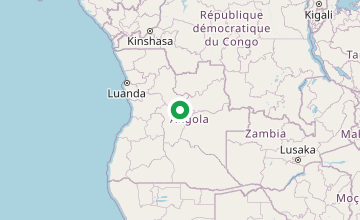
Country in Southern Africa, Portuguese-speaking; capital Luanda. Pathfinder clubs are active within Angola's Adventist community.
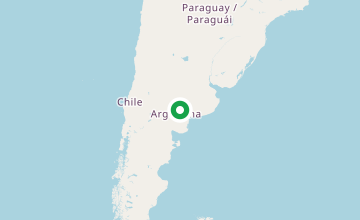
Country in South America; capital Buenos Aires. Part of the South American Division, where the Pathfinders have a strong presence.
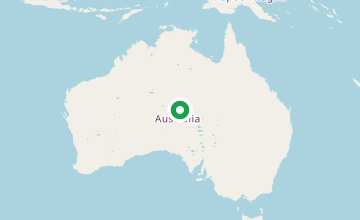
Continent-country in Oceania; capital Canberra. Part of the South Pacific Division, where the Pathfinders have been well established for decades.
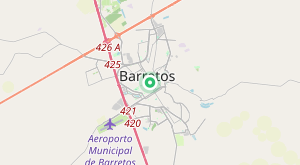
City in the interior of São Paulo (Brazil), at the Parque do Peão, chosen to host the South American Pathfinder Camporee.
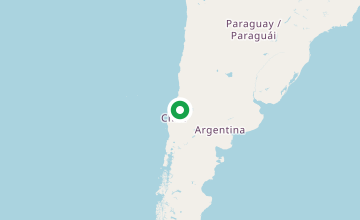
Country in South America; capital Santiago. Part of the South American Division, with an active Pathfinder movement from north to south.
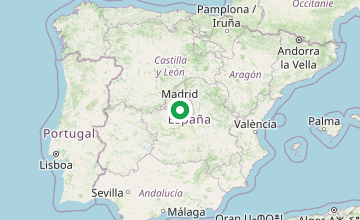
Country in Europe, on the Iberian Peninsula; capital Madrid. Pathfinder clubs are active within Spain's Adventist community.
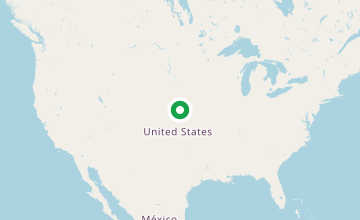
Country in North America; capital Washington. Birthplace of the Pathfinders, the emblem (1946) and the worldwide official launch (1950) began there, and home of the great Oshkosh International Camporees.
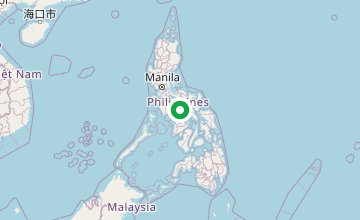
Archipelago in Southeast Asia; capital Manila. One of Asia's strongest Pathfinder nations, with large national camporees.
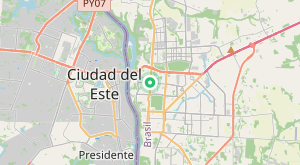
City in western Paraná (Brazil), at the triple border with Argentina and Paraguay. It hosted the 1st Camporee of the South American Division, in 1983–84.
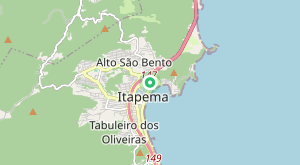
Beach on the coast of Santa Catarina (Brazil), site of Brazil's first Pathfinder camp, in 1960, today the CATRE campground.
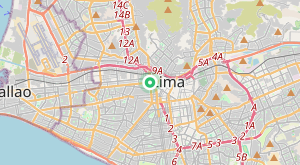
Capital of Peru, where the first Pathfinder Club of South America was born in 1955.
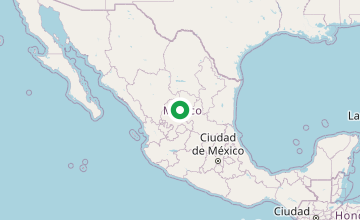
Country in North America; capital Mexico City. Part of the Inter-American Division, one of the strongest regions of the Adventist youth movement.
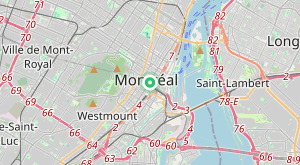
City in Canada, birthplace of Laurence Skinner, the first world director of the Pathfinders.
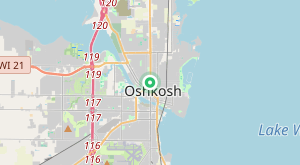
City in Wisconsin (USA) that hosts the Pathfinders' great international gatherings, the International Camporee.
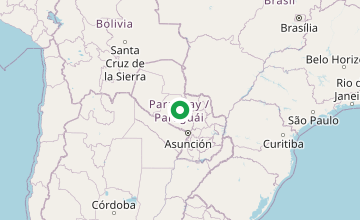
Country in South America; capital Asunción. Part of the South American Division, where the Pathfinders keep growing.
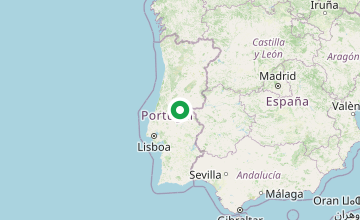
Country in Europe, on the Iberian Peninsula; capital Lisbon. Pathfinder clubs are active within the country's Portuguese-speaking Adventist community.
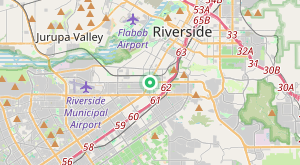
City in southern California (USA) where, in 1946, the Pathfinder emblem and one of the movement's first clubs were born.
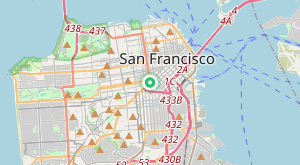
City in California (USA) where, in 1950, the General Conference made the Pathfinders an official worldwide program of the church.
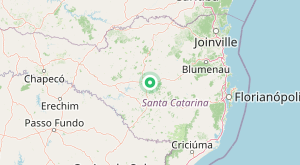
State in southern Brazil where, between 1959 and 1960, the country's first Pathfinder clubs were born.


